Meet Shroozy, the companion taking shape in Vicarious
A small hologram in a virtual home, with working expressions and camera mode, and a carefully labelled direction for what comes next.

Shroozy is a little hologram companion who appears when you call him inside Vicarious. His eyebrows and eyes show what he is feeling, and his head can turn into a camera. He is the face of the AI features in our life simulation prototype, giving those features a character within the home.
There is already a working companion to show. There is also a direction for abilities that are still being designed or prototyped. Keeping those stages clear matters when describing an assistant: appearing in a room is one thing, and helping with somebody’s real day is another.
A character with a place in the world
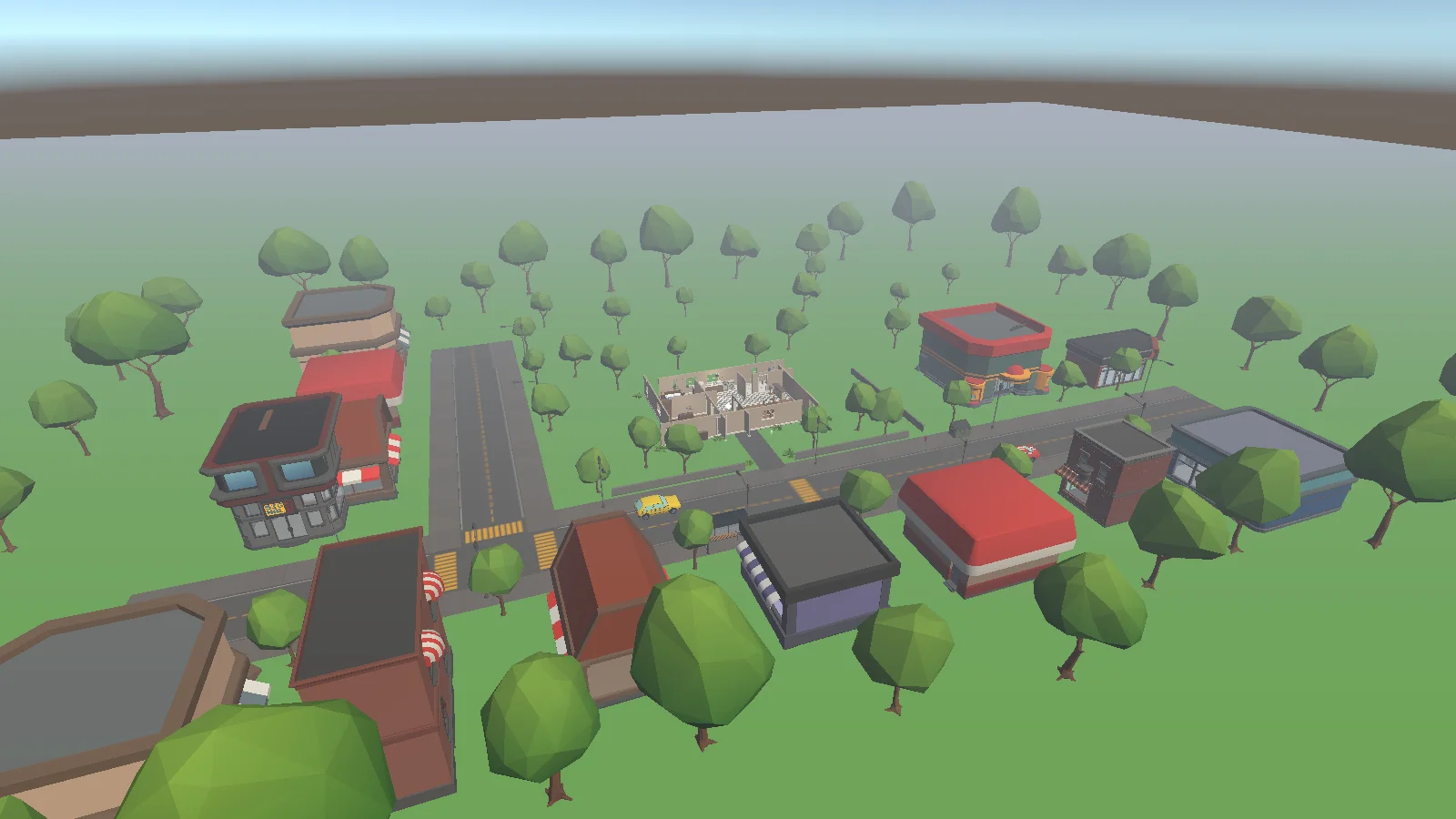
Vicarious explores AI through familiar objects and activities. A canvas is somewhere to paint, and the console beneath the television is something to play. Shroozy gives the assistant side of that work a presence within the same space.
The current build includes summoning and dismissing him, expressions, camera mode, naming him and cards beside him. These are the abilities listed as built on the Vicarious page. They establish a character you can call into the home and interact with while remaining inside the life sim.
The camera transformation is a particularly direct example of that approach. Rather than describing every interaction as a panel or a menu, the companion himself can become the object involved. Our project page includes prototype footage of his hologram and camera mode so those behaviours can be seen in context.
Helping with the real day is the next direction
The next set of ideas connects a session in VR with things outside the game. The Vicarious page describes email help as prototyping, while time and weather and conversational help are in design. Those abilities are not in the game yet.
The proposed email interaction is specific: messages appear on a panel beside Shroozy, he reads or summarises one, and he drafts a reply that the player can edit by hand or voice. Nothing is sent until the player says so. That is the intended interaction, rather than a claim that email is already available in the build.
Time and weather would let the player ask about where they really are. Conversation would allow questions by voice or text, with an answer spoken or displayed on a card beside him. These ideas point towards a companion who can help without requiring the player to leave the world for every small task.
Permission is part of the interaction
The stated direction for anything that sends or changes something is to ask first. That belongs in the description of the feature itself. Drafting a reply and sending it are separate actions, and the player should remain involved in the step that affects their real day.
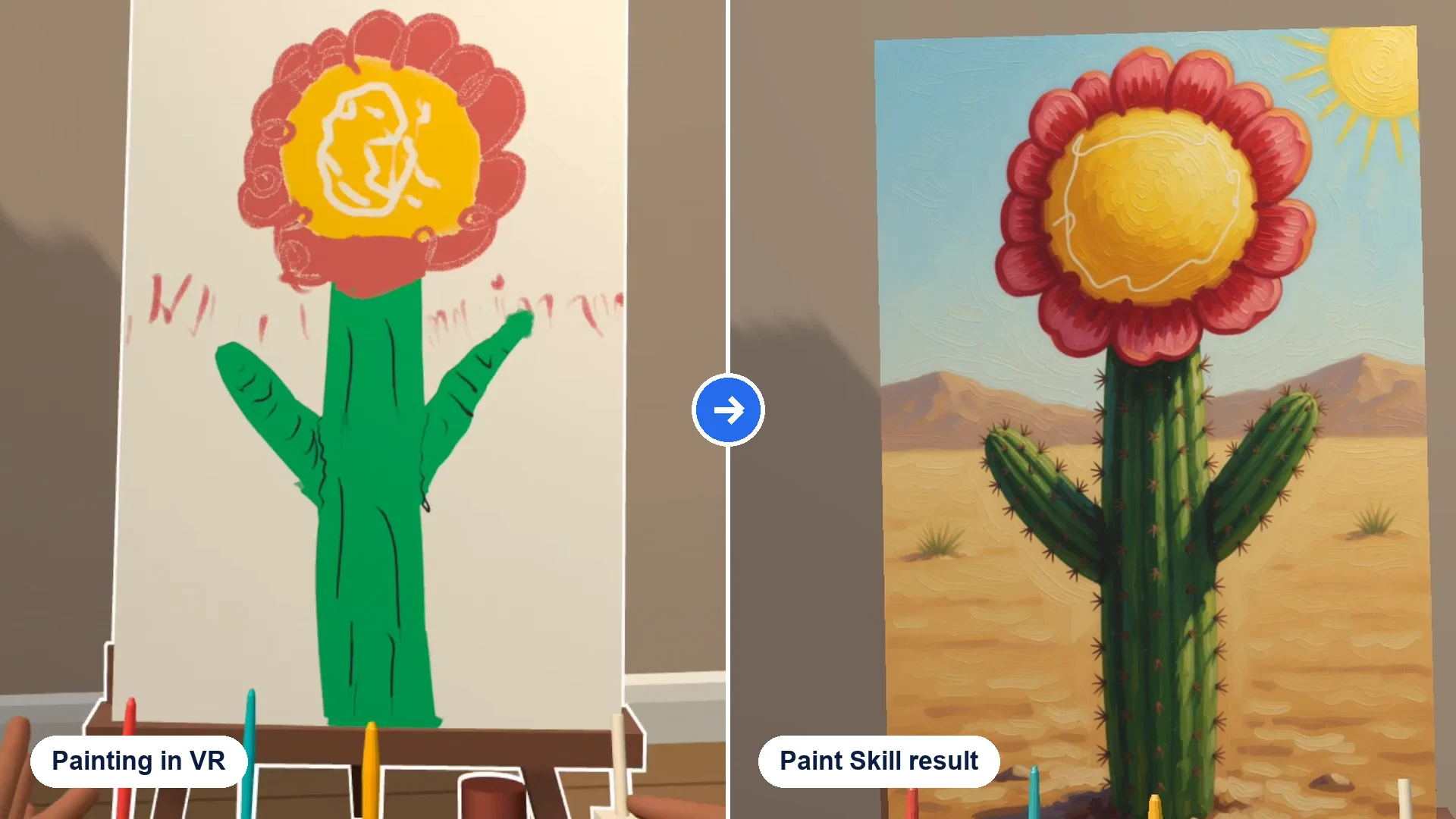
This fits the wider question running through Vicarious: how can AI support the player while keeping them in control? With Paint Skill, that includes what remains of a player’s painting. With an assistant, it includes what the character is allowed to do beyond the room.
A prototype with questions still open
Vicarious is a working research prototype, with player studies planned as the next step. We are exploring creative AI, embodied interaction and shared presence. Shroozy sits within that work, alongside the household simulation and its hands-on activities.
The useful distinction today is straightforward. The hologram companion, expressions, naming and camera mode are built. The assistant abilities involving email, real-world time and weather, and conversation are a direction under development. We will keep describing them at the stage they have reached.
Visit Shroozy’s section of the Vicarious page to see the current companion footage and the labelled next steps together.