Building a life simulator you can step inside
A look inside Vicarious, our working life simulation and research prototype for AI, hands-on creativity and shared worlds.
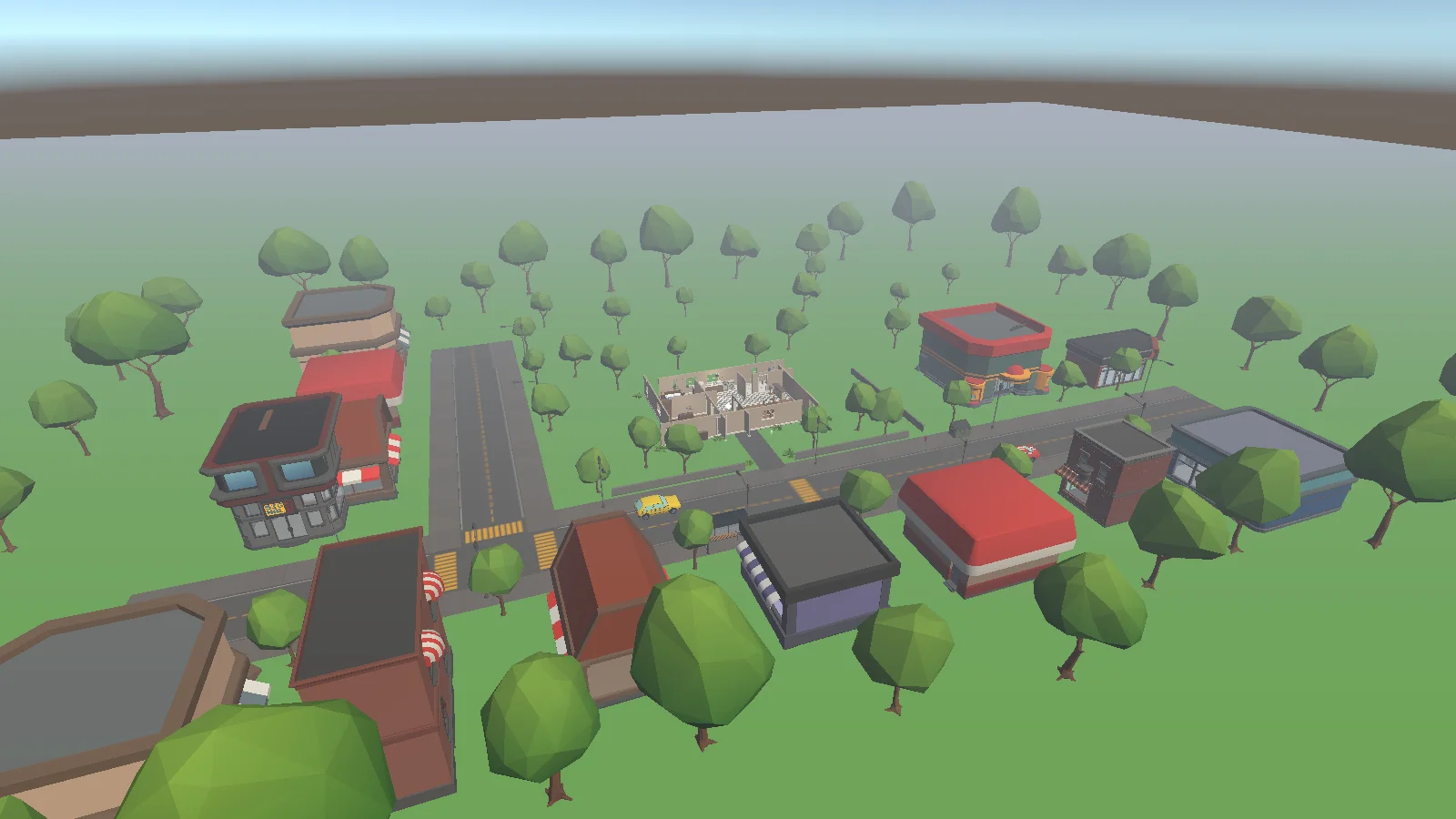
Vicarious starts with a familiar idea: make a home, build a household and see what happens between the people who live there. The difference is where you stand. This is a life simulation you step inside, with everyday activities designed to be things you can actually do with your hands.
We are developing it at Shroozy in Coventry. It is a game in development and a working prototype for researching AI in games and immersive technology. Those two roles belong together. A household gives creative tools, social interactions and shared activities a place in everyday play, rather than leaving each one as an isolated demonstration.
A household beyond your own character
The player’s avatar sits at the centre of a household. The Genies SDK provides the identity layer for that avatar and its housemates, while Shroozy’s systems drive needs, moods, relationships and everyday interactions. Stepping into one housemate does not remove the needs of the others.
The Vicarious Engine, our simulation framework built on Unity, keeps track of characters and their relationships. Needs, moodlets and traits inform what a character chooses to do, with friendship and romance tracked between individual pairs. Social options can change with mood, traits and relationships. The aim is a home where the people matter alongside the objects you place in it.
Make a place, then live in it
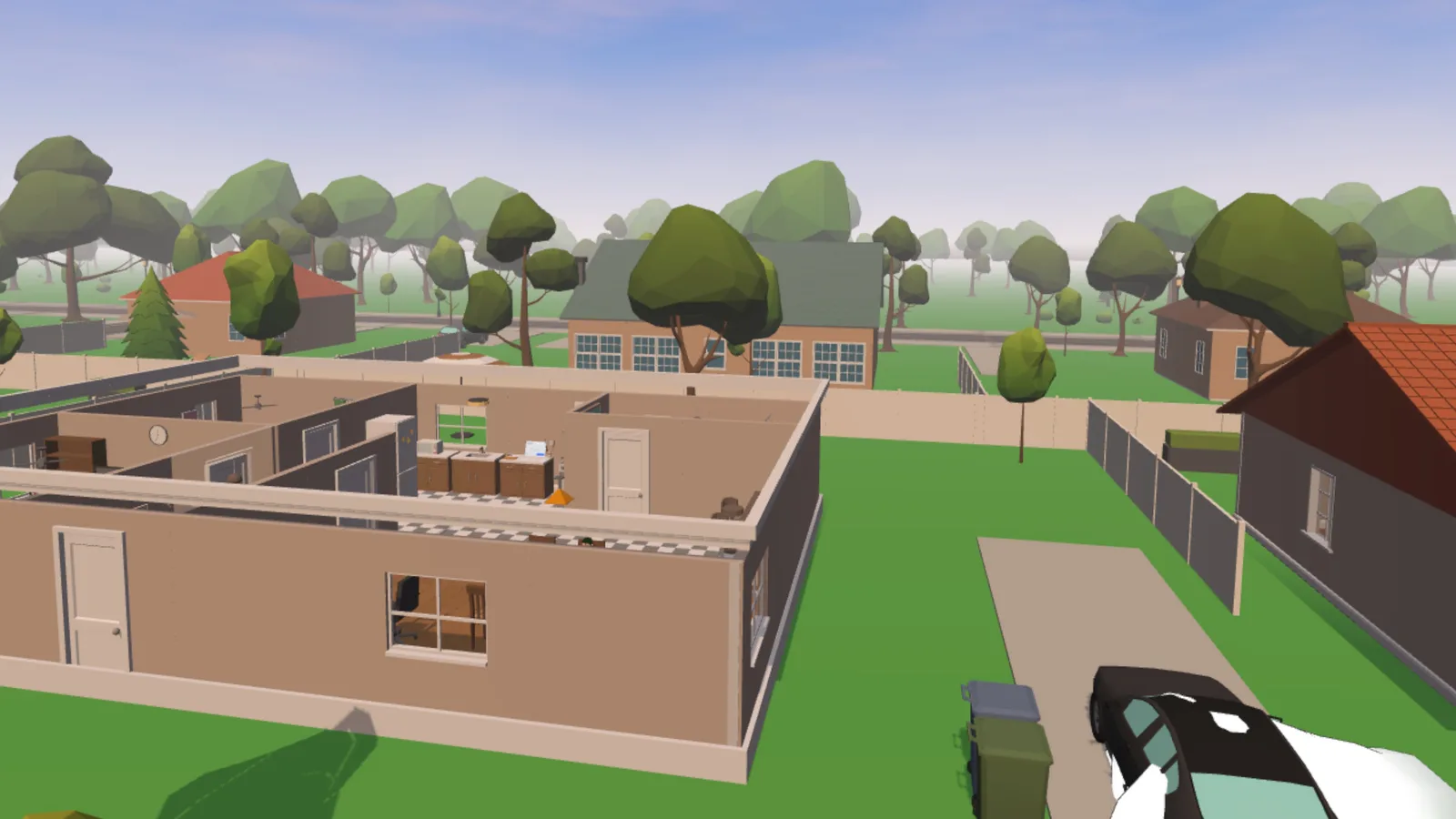
Building a home and using it are connected parts of the prototype. Multi-storey building, stairs, roof styles, wall finishes and furniture provide ways to change the space. Household and building data are saved, so the house is part of the simulation’s continuing world.
Life also extends beyond its walls. Derville brings neighbouring homes, a school and a park into the wider prototype. Work shifts and school schedules sit alongside the routines inside the household. The neighbourhood changes with the time of day, while life carries on in the house.
These are development views of an expanding world. The Marigold cafe, for example, is a lot in development. We keep that distinction visible because a screenshot of a place and a finished experience are different stages of the work.
Creativity belongs in the room
Painting, photography and reading are activities inside the life sim. Painting progress and owned objects connect to the wider household, so making something can change the home around you, rather than ending when a separate creative tool closes.
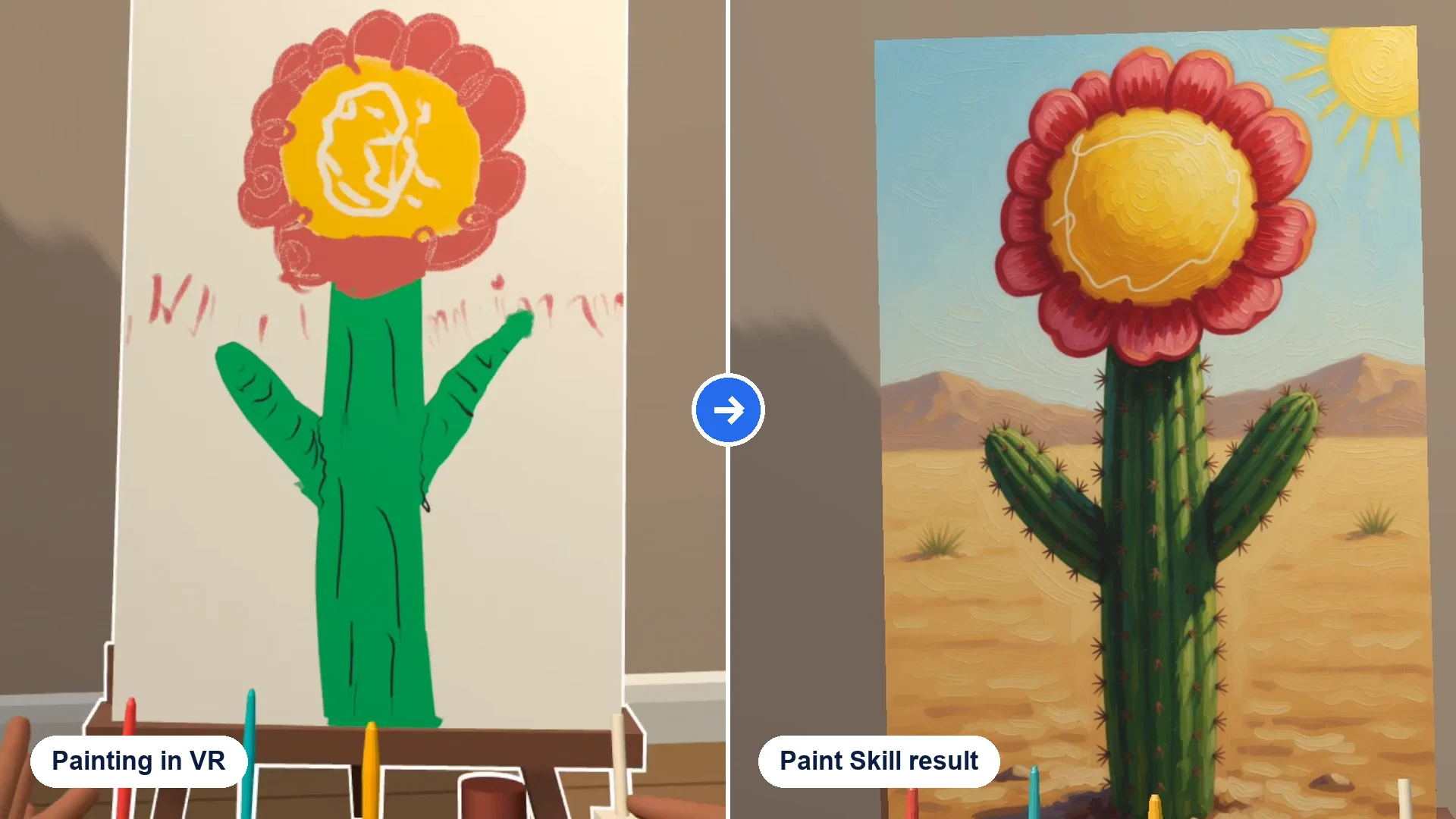
Paint Skill takes a canvas the player starts by hand and uses AI to develop it. The Remix console brings AI-created games onto the television inside the home. Both are working integrations in the prototype. We are investigating whether they support creativity and whether the player still feels in control of what they make and choose.
What we still need to learn
VR leads development, with a desktop prototype alongside it. An early multiplayer prototype connects Quest and desktop players. Shared presence across devices is a research direction: we want to understand what happens when people share an activity but interact with it in different ways.
Player studies are the next step. Our questions include whether AI refinement preserves a player’s sense of authorship, how waiting or failures affect the pace of VR, and whether people would return to these creative objects during a household session. The prototype lets us ask those questions in a world people can inhabit. It does not answer them on its own.
You can explore the Vicarious project page for the feature footage, development captures and the research questions guiding the work.